
Improve Your
Visual Wellness
Our mission is to support your
eye health and visual wellness

Improve Your Vision
The Meir Schneider
Method
The Meir Schneider Method teaches that the human body is capable of improving and healing itself. This method is applicable to people with a wide variety of eye health issues. The exercises are designed to enhance eye health, so that anyone with an eye problem or condition can fully restore their vision. The techniques used in Self-Healing sessions are taught to the patient with the goal of maximizing the body’s potential for self-healing. Through consistent practice of these techniques, it is possible to activate neural pathways, create better conditions for physiological functioning, and thereby enable the recovery from impairments or compensate for vision loss that has already occurred. The Meir Schneider Method uses visual exercises for eye relaxation and also stimulates specialized cells in the retina. For visual processing to occur, numerous areas of the brain work together, integrating the eye and the brain. The Method is based on the principles of neural plasticity, such as “use it or lose it,” “use it and improve it,” “specificity,” “relevance,” and “motivation.” Through visual and physical exercises, integrated with the environment, we aim to stimulate the brain to facilitate neural plasticity, keeping the visual system (eye/brain) intact and active.
Based on these principles, the exercises promote neural plasticity by integrating the eye-body-brain connection to improve visual function. The Meir Schneider Method, which is a therapeutic and educational approach that stimulates the body’s natural ability to regenerate and relieve tension. Through exercises and combinations of: body awareness, self-massage, active and passive exercises, breathing and movement practices. It is a totally innovative method!
Our
Values
Sovereign Vision is committed to establishing values that guide our actions and purpose. These values are fundamental to creating a responsible, transparent, and supportive experience for every participant.
Innovation: Offering a natural and educational approach focused on visual wellness, eye relaxation, and healthier visual habits through guided exercises.
Customer Focus: Placing customer satisfaction, individual needs, and a positive learning experience at the center of our decisions.
Ethics and Transparency: Maintaining honesty, clarity, and transparency in all relationships with our customers.
Respect for People and Diversity: Valuing each person’s individuality, promoting inclusion, and supporting the well-being of every individual.
Therefore,The Meir Schneider Method
is based on the following principles:
Access Our Online Platform
and Enroll Today
What Are the
Exercises Like?
Natural exercises are designed to support visual wellness, eye relaxation, and greater awareness of everyday visual habits. The program includes guided practices focused on relaxation, visual stimulation, and conscious use of the eyes. Watch one of the course videos below.
1.Visual Exercises
2.Natural Exercises
3.Natural Exercises
4.Relief and Relaxation
NATURAL EXERCISES designed to support VISUAL WELLNESS and EYE RELAXATION
Discover how natural visual exercises can support healthier visual habits, eye comfort, and greater visual awareness. Our guided techniques encourage relaxation, focus, and visual stimulation, helping you care for your visual wellness through a practical and natural approach.
Amblyopia
Amblyopia, commonly known as “lazy eye,” is a vision condition that typically develops during childhood. It can occur when the brain relies more heavily on one eye than the other, which may affect how visual information is processed.
Astigmatism
Astigmatism is a common vision condition associated with an irregular curvature of the cornea or lens. This can affect how light is focused in the eye and may result in blurred or distorted vision at different distances.
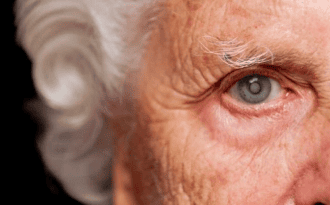
Cataract
A cataract is a clouding of the eye’s natural lens that can affect how clearly a person sees. It may cause blurred or cloudy vision, reduced contrast, or colors to appear less vivid.
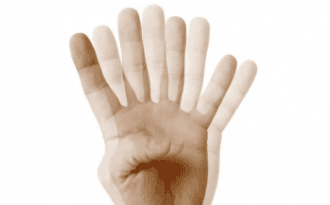
Convergence
Insufficiency
Convergence Insufficiency — Double Vision: commonly known as double vision, this is the perception of two images of a single object. It can be binocular (it disappears when one eye is closed and is associated with ocular misalignment) or monocular (it persists even with one eye closed and is associated with structural problems, such as cataracts).
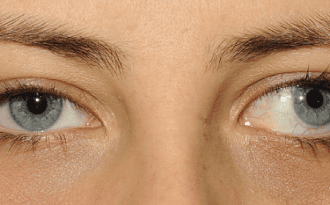
Strabismus
Strabismus is a vision condition in which the eyes do not always point in the same direction at the same time. The misalignment may be constant or intermittent, and one eye may turn inward, outward, upward, or downward.
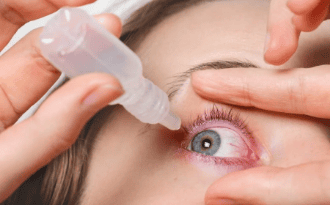
Glaucoma
Glaucoma is a group of eye conditions that can damage the optic nerve and gradually affect vision. It is often associated with increased eye pressure, although it can also occur when eye pressure is within the normal range. In many cases, changes develop slowly and may initially affect peripheral vision without noticeable symptoms.

Hyperopia
Hyperopia, also known as farsightedness, is a common refractive error in which light focuses behind the retina instead of directly on it. It can make nearby objects appear blurry and may also cause eye strain or headaches during close-up activities.
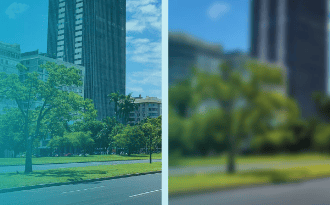
Myopia
Myopia, also known as nearsightedness, is a common refractive error that makes distant objects appear blurry while nearby objects may remain clear. It occurs when the shape of the eye causes light to focus in front of the retina instead of directly on it.
How Does The Program
Work?
Questions and Answers F.A.Q.
Testimonials
Discover stories from people who experienced The Meir Schneider Method and found a natural way to support their visual health, comfort, and confidence.
Eye Wellness
Explore articles, practical tips, and educational content about visual wellness, eye comfort, healthy visual habits, and natural vision practices
-
Common Vision Problems in Older Adults
The prevalence of visual impairment is high among the elderly population. Decreased visual acuity has […]
-
Eye Health Among Americans
Alarming Statistics Approximately 7 million people in the United States have visual impairments. This includes […]
-
How Vision Problems Can Affect Quality of Life
Vision plays an important role in how we experience the world around us. It supports […]